\r\n\r\n
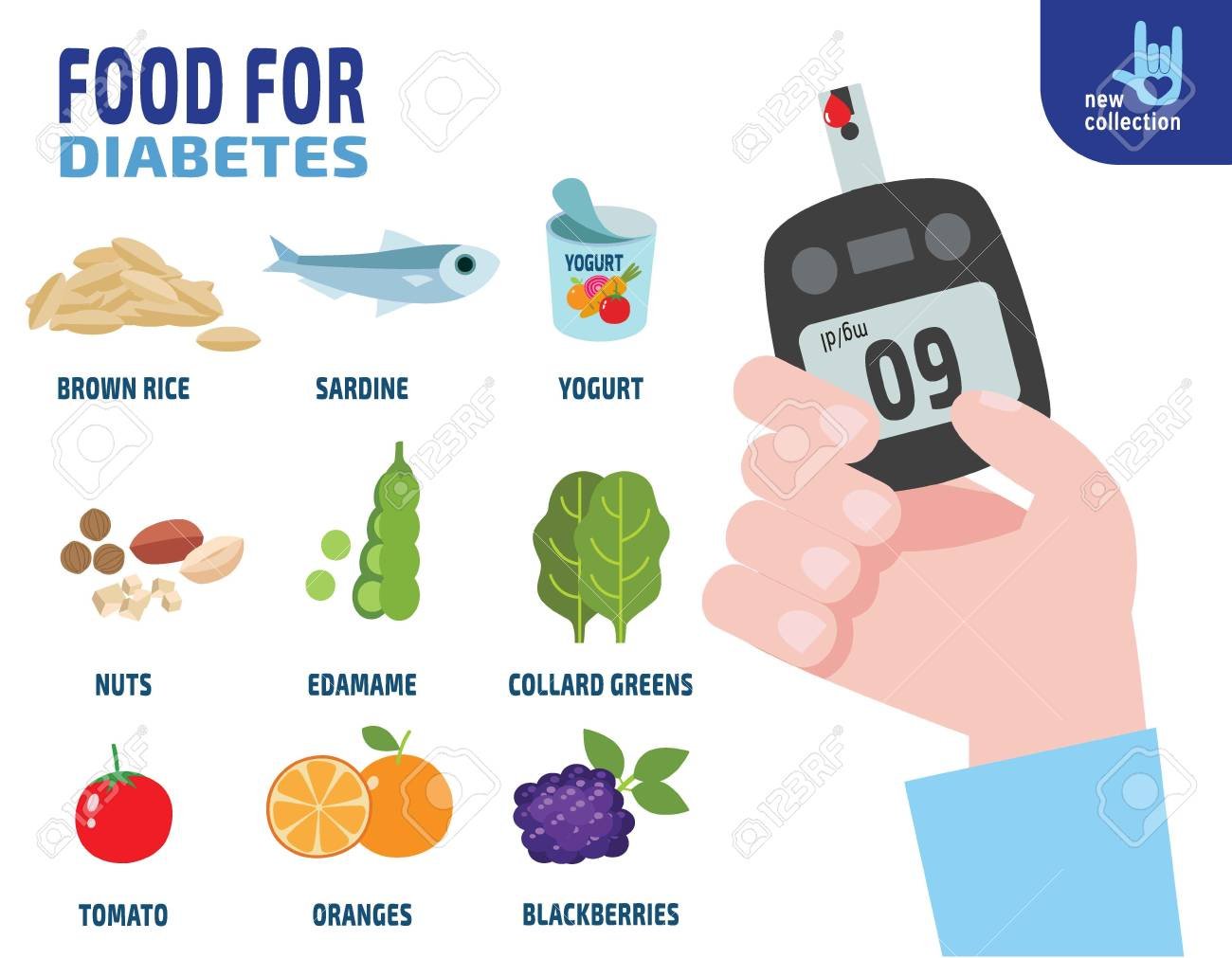
Managing diabetes is not just about taking medications; diet plays a central role in controlling blood sugar levels, preventing complications, and improving overall health. At Diabease Clinic, we understand that every diabetes patient has unique needs, and a well-planned diet is crucial for maintaining stable glucose levels. This guide will help you understand what diabetes patients should eat, what to avoid, and how to plan meals for optimal health.
\r\n\r\n
\r\n\r\n
Diabetes, whether Type 1 or Type 2, affects the way your body processes glucose. When you eat, carbohydrates from food break down into glucose, which enters your bloodstream. In people with diabetes, insulin (a hormone that regulates blood sugar) is either insufficient or ineffective. Therefore, what you eat directly impacts your blood sugar levels.
\r\n\r\n
A proper diabetes diet helps you:
\r\n\r\n
Maintain stable blood sugar levels
\r\nPrevent sudden spikes and drops in glucose
\r\nReduce the risk of complications such as heart disease, kidney damage, and neuropathy
\r\nSupport weight management
\r\n\r\n\r\n
Key Concepts for a Diabetes-Friendly Diet:
\r\n\r\n
Glycemic Index (GI): Measures how quickly a food raises blood sugar. Low-GI foods are better for diabetes.
\r\nCarbohydrate Counting: Monitoring carbs helps manage glucose levels.
\r\nBalance: A mix of complex carbs, lean protein, healthy fats, and fiber keeps energy levels steady.
\r\n\r\n\r\n
\r\n\r\n
\r\n\r\n
Vegetables are a cornerstone of any diabetes-friendly diet. They are low in calories, high in fiber, and packed with essential vitamins and minerals.
\r\n\r\n
Best Choices:
\r\n\r\n
Leafy Greens: Spinach, kale, fenugreek, mustard greens
\r\nCruciferous Vegetables: Broccoli, cauliflower, cabbage, Brussels sprouts
\r\nOther Veggies: Carrots, bell peppers, zucchini, tomatoes
\r\n\r\n\r\n
Benefits:
\r\n\r\n
Improve insulin sensitivity
\r\nHelp in weight management
\r\nReduce risk of heart disease
\r\n\r\n\r\n
\r\n\r\n
Fruits are healthy but should be consumed mindfully due to natural sugars. Choosing low-GI fruits helps manage blood sugar.
\r\n\r\n
Recommended Fruits:
\r\n\r\n
Berries: Strawberries, blueberries, raspberries
\r\nApples and Pears
\r\nCherries
\r\nOranges and Grapefruits
\r\n\r\n\r\n
Tips:
\r\n\r\n
Eat fruits in moderation
\r\nPair with protein or fiber to prevent sugar spikes
\r\nAvoid fruit juices and canned fruits with added sugar
\r\n\r\n\r\n
\r\n\r\n
Whole grains provide fiber and complex carbohydrates, which release glucose slowly into the bloodstream.
\r\n\r\n
Best Choices:
\r\n\r\n
Brown rice, quinoa, barley
\r\nOats, whole wheat, millet (ragi, jowar)
\r\n\r\n\r\n
Benefits:
\r\n\r\n
Stabilizes blood sugar
\r\nSupports digestive health
\r\nHelps in long-term weight control
\r\n\r\n\r\n
Tip: Replace refined grains like white rice and white bread with whole grains wherever possible.
\r\n\r\n
\r\n\r\n
Proteins help maintain muscle mass, support metabolism, and do not spike blood sugar like carbs.
\r\n\r\n
Good Sources:
\r\n\r\n
Lean Meat: Skinless chicken, turkey
\r\nFish: Salmon, mackerel, sardines (rich in Omega-3)
\r\nPlant Proteins: Lentils, chickpeas, kidney beans, tofu, soy products
\r\nEggs: Excellent source of protein and healthy fats
\r\n\r\n\r\n
Tip: Include a protein source in every meal to reduce post-meal glucose spikes.
\r\n\r\n
\r\n\r\n
Dairy provides calcium and protein, but choose low-fat or unsweetened versions.
\r\n\r\n
Options:
\r\n\r\n
Low-fat milk or yogurt
\r\nPaneer (cottage cheese)
\r\nUnsweetened alternatives: Soy milk, almond milk, coconut milk
\r\n\r\n\r\n
Benefits:
\r\n\r\n
Supports bone health
\r\nProvides essential nutrients without causing sugar spikes
\r\n\r\n\r\n
\r\n\r\n
Healthy fats slow digestion and help maintain satiety, supporting blood sugar control.
\r\n\r\n
Sources:
\r\n\r\n
Nuts and seeds: Almonds, walnuts, flaxseeds, chia seeds
\r\nOils: Olive oil, avocado oil, mustard oil
\r\nAvocado and fatty fish
\r\n\r\n\r\n
Tip: Avoid trans fats and limit saturated fats found in fried foods and processed snacks.
\r\n\r\n
\r\n\r\n
Certain herbs and spices can help manage diabetes naturally.
\r\n\r\n
Examples:
\r\n\r\n
Cinnamon: Improves insulin sensitivity
\r\nTurmeric: Reduces inflammation
\r\nFenugreek: Lowers blood sugar after meals
\r\nGinger and garlic: Support overall metabolic health
\r\n\r\n\r\n
Tip: Incorporate these into daily cooking for added flavor and health benefits.
\r\n\r\n
\r\n\r\n
Managing diabetes also means avoiding foods that spike blood sugar or increase insulin resistance.
\r\n\r\n
Foods to Limit or Avoid:
\r\n\r\n
Refined sugar: Candies, cakes, pastries
\r\nProcessed carbohydrates: White bread, pasta, rice
\r\nSugary beverages: Soft drinks, fruit juices, energy drinks
\r\nFried foods and trans fats: Chips, fried snacks, margarine
\r\nHigh-fat processed meats: Sausages, bacon
\r\n\r\n\r\n
Tip: Always check labels for hidden sugar and refined carbs.
\r\n\r\n
\r\n\r\n
\r\n\r\n
Even healthy foods can affect blood sugar if portions are too large. Use a plate method:
\r\n\r\n
Half plate: Non-starchy vegetables
\r\nQuarter plate: Lean protein
\r\nQuarter plate: Whole grains or starchy foods
\r\n\r\n\r\n
\r\n\r\n
Breakfast:
\r\n\r\n
Oatmeal with chia seeds and berries
\r\nBoiled egg or low-fat yogurt
\r\n\r\n\r\n
Mid-Morning Snack:
\r\n\r\n
Apple or a handful of almonds
\r\n\r\n\r\n
Lunch:
\r\n\r\n
Grilled chicken or tofu
\r\nBrown rice or quinoa
\r\nSteamed vegetables
\r\n\r\n\r\n
Evening Snack:
\r\n\r\n
Green tea and roasted chickpeas
\r\n\r\n\r\n
Dinner:
\r\n\r\n
Fish or lentil soup
\r\nWhole-grain chapati
\r\nMixed vegetable salad
\r\n\r\n\r\n
Tip: Eat at regular intervals to maintain steady blood sugar levels.
\r\n\r\n
\r\n\r\n
\r\n\r\n
Fact: Moderate amounts of sugar are acceptable if balanced with protein, fiber, and healthy fats.
\r\n\r\n
\r\n\r\n
Fact: Low-GI fruits like berries, apples, and oranges can be included in a controlled diet.
\r\n\r\n
\r\n\r\n
Fact: Skipping meals can cause blood sugar swings and affect metabolism. Regular, balanced meals are better.
\r\n\r\n
\r\n\r\n
Diet alone is not enough. Lifestyle changes enhance diabetes management:
\r\n\r\n
Exercise: Walking, swimming, and resistance training improve insulin sensitivity
\r\nHydration: Drink plenty of water to aid metabolism and reduce sugar cravings
\r\nStress Management: Meditation, yoga, and relaxation techniques reduce cortisol, which can raise blood sugar
\r\nRegular Monitoring: Track blood sugar to understand how foods affect glucose
\r\n\r\n\r\n
\r\n\r\n
Diabetes doesn’t mean avoiding social events or celebrations:
\r\n\r\n
Choose grilled or steamed foods instead of fried
\r\nControl portion sizes
\r\nSubstitute sugary desserts with fruits or sugar-free options
\r\nPlan for extra activity to balance occasional indulgences
\r\n\r\n\r\n
\r\n\r\n
At Diabease Clinic, we offer:
\r\n\r\n
Personalized meal plans based on your blood sugar levels, weight, and lifestyle
\r\nRegular monitoring to adjust diet and medications as needed
\r\nExpert advice on managing diabetes alongside thyroid or other health conditions
\r\n\r\n\r\n
Why Choose Diabease:
\r\n\r\n
Experienced team of endocrinologists and dietitians
\r\nFocused on sustainable lifestyle changes, not just medication
\r\nComprehensive care for long-term health
\r\n\r\n\r\n
\r\n\r\n
A balanced diet is the foundation of diabetes management. By including vegetables, low-GI fruits, whole grains, lean proteins, and healthy fats, and avoiding processed sugars and fried foods, diabetes patients can achieve better blood sugar control and improved overall health.
\r\n\r\n
Consulting experts at Diabease Clinic ensures a personalized plan tailored to your specific needs. Remember, consistent diet, exercise, and monitoring are the keys to thriving with diabetes.
\r\n\r\n
Take charge of your health today and make informed food choices for a happier, healthier life.